
Leading Products For Tree Grindings Professionals and Enthusiasts
Explore top-rated tools and equipment designed to make tree grinding more efficient, safe, and effective for all users.
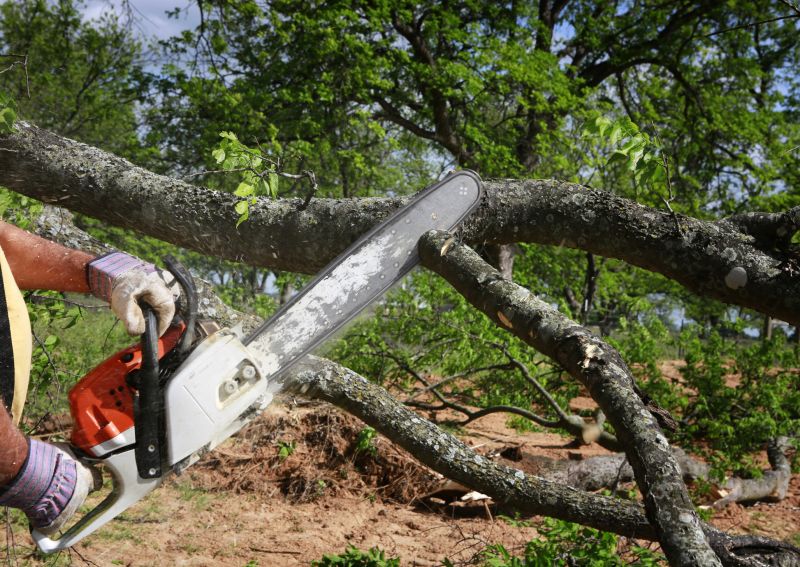 Tree grindings are an essential component of landscape maintenance, land clearing, and gardening projects. They involve the process of reducing fallen branches, tree limbs, and other woody debris into smaller, manageable pieces. This process not only helps in tidying up outdoor spaces but also facilitates composting and mulching, which can benefit soil health and plant growth. Whether for professional arborists or DIY enthusiasts, having the right tools for tree grinding can make the task more efficient and less labor-intensive.
Top Overall Option
All-Purpose Tree and Branch Chipper
This versatile chipper is designed to handle a variety of woody debris, offering adjustable feed rates and multiple blade options. Its durable construction and safety features make it suitable for both residential and light commercial use, providing efficient reduction of branches and small logs.
Types of Products For Tree Grindings
Wood Chippers and Shredders
Machines designed to process branches and small logs into mulch or chips, available in electric or gas-powered models.
Portable Tree Grinders
Compact, mobile units suitable for small-scale projects and yard cleanup.
Industrial Tree Grinders
Heavy-duty equipment capable of processing large volumes of woody debris efficiently.
Handheld Branch Grinders
Lightweight tools for trimming and grinding small branches and twigs.
Self-Feeding Chippers
Features automatic feeding mechanisms to reduce manual effort during operation.
Electric Tree Shredders
Electric-powered options ideal for quieter, emission-free operation in residential areas.
Gas-Powered Wood Chippers
More powerful units suitable for larger debris and frequent use.
Trail and Land Clearing Grinders
Specialized equipment designed for clearing large tracts of land and thick woody material.
Mini Tree Chippers
Small-scale chippers perfect for garden use and small yard projects.
Commercial Wood Mulchers
Designed for professional landscaping businesses to process large amounts of debris.
Popular Choices
Easy to operate and suitable for light yard debris processing.
Popular for their power and mobility in larger yard projects.
Preferred for large-scale land clearing and commercial use.
Convenient for quick, small-scale trimming tasks.
Favored for reducing manual effort during operation.
Quiet and emission-free, ideal for residential environments.
Designed to handle substantial volumes of woody material efficiently.
Versatile attachments for heavy machinery used in land clearing.
Popular for small to medium yard maintenance tasks.
Highly rated for professional landscaping and debris processing.
The primary equipment used for tree grinding includes various types of chippers, grinders, and shredders. These machines vary in size, power, and capacity, allowing users to select based on the scale of their project and the type of debris they need to process. Smaller, portable models are ideal for residential use, enabling quick cleanup of yard waste. Larger, industrial-grade machines are suited for extensive land clearing or commercial landscaping projects, capable of handling large volumes of woody material.
Safety features and ease of operation are also important considerations when choosing equipment for tree grindings. Features such as automatic feed systems, safety guards, and ergonomic controls can enhance user safety and comfort. Additionally, maintenance requirements and fuel efficiency are factors that can influence long-term costs and convenience. Properly selected equipment can streamline the process, reduce physical strain, and improve overall project outcomes.
Investing in the right tools for tree grindings can lead to more effective debris management, helping to transform cluttered outdoor areas into clean, functional spaces. From small yard cleanup tools to heavy-duty industrial grinders, there is a wide array of options designed to meet different needs and budgets. Understanding the features and specifications of these products can assist users in making informed choices tailored to their specific project requirements.
Key Buying Considerations
- Determine the volume of debris you need to process regularly to select an appropriately sized machine.
- Consider whether electric or gas-powered equipment best suits your mobility needs and environmental preferences.
- Check the maximum branch diameter the machine can handle to ensure it meets your typical debris sizes.
- Evaluate safety features such as emergency shut-offs, safety guards, and automatic feed controls.
- Assess ease of maintenance, including accessibility of blades and ease of cleaning.
- Review noise levels, especially if operating in residential areas, to ensure compliance with local regulations.
- Look into portability options, such as wheels or compact design, for easier transportation and storage.
- Examine power source compatibility, including electrical outlet requirements or fuel types.
- Consider the availability of replacement parts and customer support from manufacturers.
- Think about additional features like adjustable feed rates, multiple blade options, or built-in collection bins.
- Budget accordingly, balancing initial investment with long-term durability and performance.
- Read user reviews and ratings to gauge real-world performance and reliability.
- Ensure the equipment complies with safety standards relevant to your region.
- Decide if additional accessories or attachments are necessary for your specific tasks.
This content contains affiliate links and we may earn a commission if you make a purchase through them. This does not affect the price you pay and helps support our content creation.