Dead Tree Removal in Allentown, PA
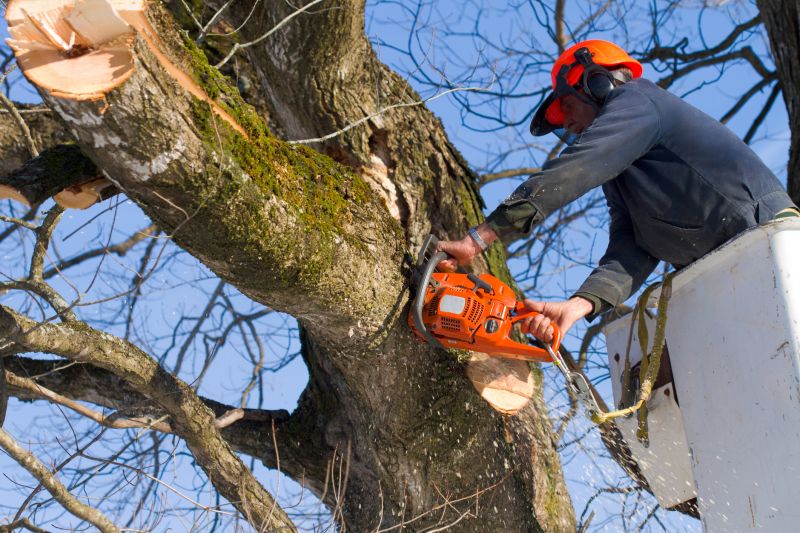
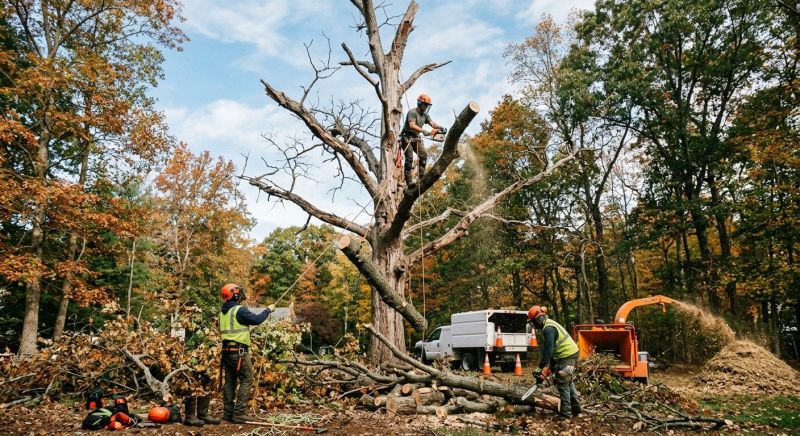
Dead tree removal services involve the safe and efficient removal of trees that are dead, decaying, or pose a risk to property. This type of project typically covers the removal of hazardous trees near homes, driveways, or other structures, as well as trees that have become diseased or are no longer healthy. Property owners often seek this service to prevent potential damage caused by falling branches or complete tree collapse, and to maintain the safety and appearance of their landscape.
Before requesting dead tree removal, property owners usually want to understand the scope of work involved, including the size and location of the tree, as well as any potential impact on surrounding vegetation or structures. It’s also helpful to clarify whether removal includes stump grinding or disposal of debris. Knowing these details can assist in planning the project and ensuring it aligns with the property’s landscape management goals.
Many property owners in Allentown, PA look into Dead Tree Removal for repairs, replacements, upgrades, and appearance-related improvements.
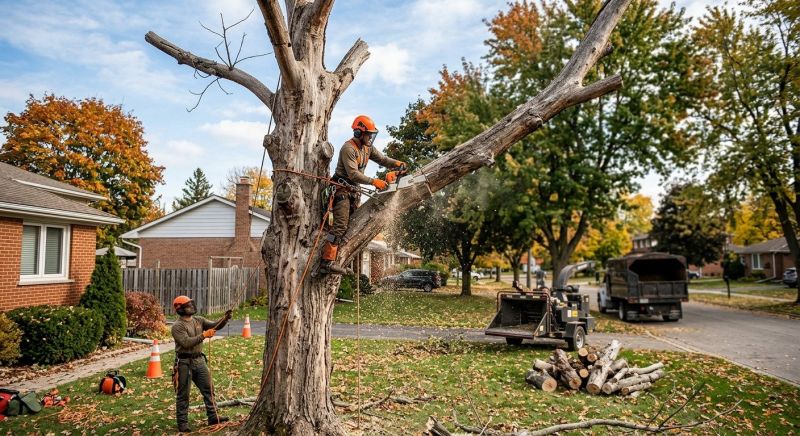
Safety And Hazard Prevention
Removing dead trees reduces the risk of falling branches and property damage.
Property Appearance And Value
Clearing dead trees enhances curb appeal and maintains property value in allentown neighborhoods.
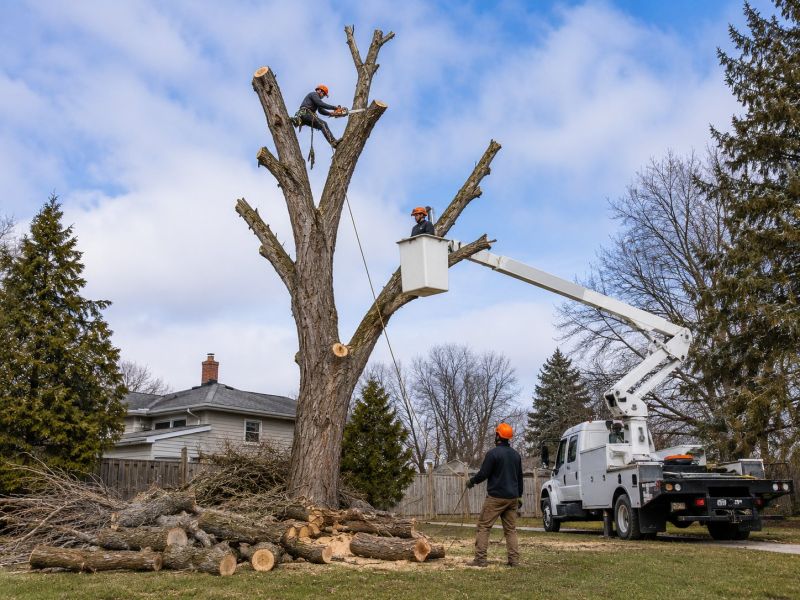
Tree Health And Maintenance
Removing unhealthy trees helps promote the health of surrounding trees and landscape.
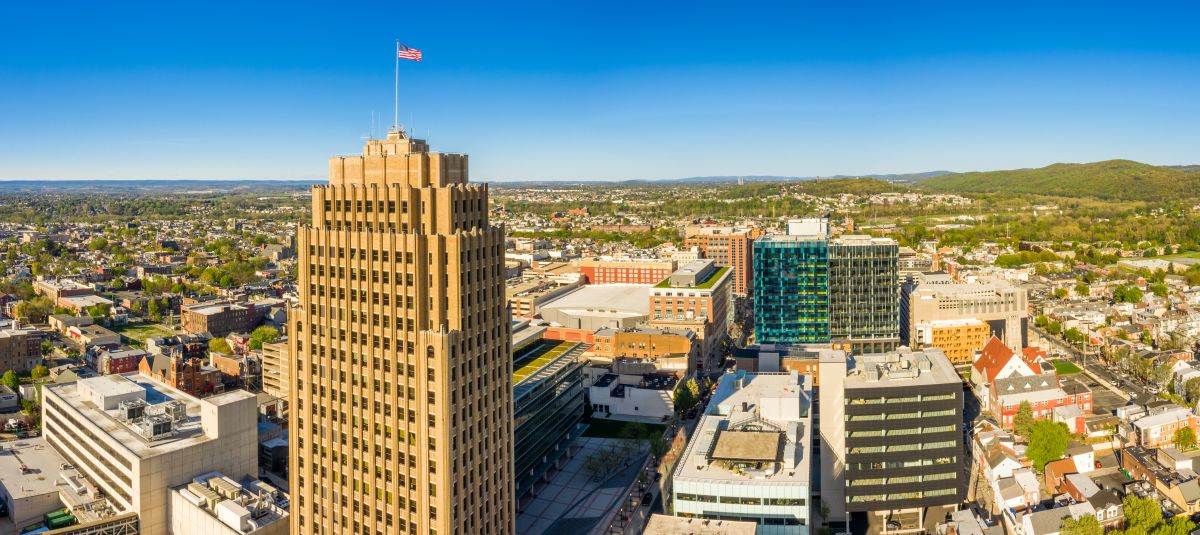
Dead Tree Removal in Allentown, PA
Dead tree removal services involve the safe and efficient removal of trees that are dead, decaying, or pose a risk to property. This type of project typically covers the removal of hazardous trees near homes, driveways, or other structures, as well as trees that have become diseased or are no longer healthy. Property owners often seek this service to prevent potential damage caused by falling branches or complete tree collapse, and to maintain the safety and appearance of their landscape.
Before requesting dead tree removal, property owners usually want to understand the scope of work involved, including the size and location of the tree, as well as any potential impact on surrounding vegetation or structures. It’s also helpful to clarify whether removal includes stump grinding or disposal of debris. Knowing these details can assist in planning the project and ensuring it aligns with the property’s landscape management goals.
Many property owners in Allentown, PA look into Dead Tree Removal for repairs, replacements, upgrades, and appearance-related improvements.
Common Dead Tree Removal Jobs
Dead Tree Removal - safely removes hazardous or decayed trees from residential properties.
Stump Grinding - grinds down remaining stumps to improve lawn safety and appearance.
Emergency Tree Removal - handles urgent situations where dead or unstable trees threaten property safety.
Selective Tree Removal - removes specific dead or problematic trees without disturbing surrounding landscape.
Tree Crown Reduction - reduces the height of dead branches to prevent potential damage or falling hazards.
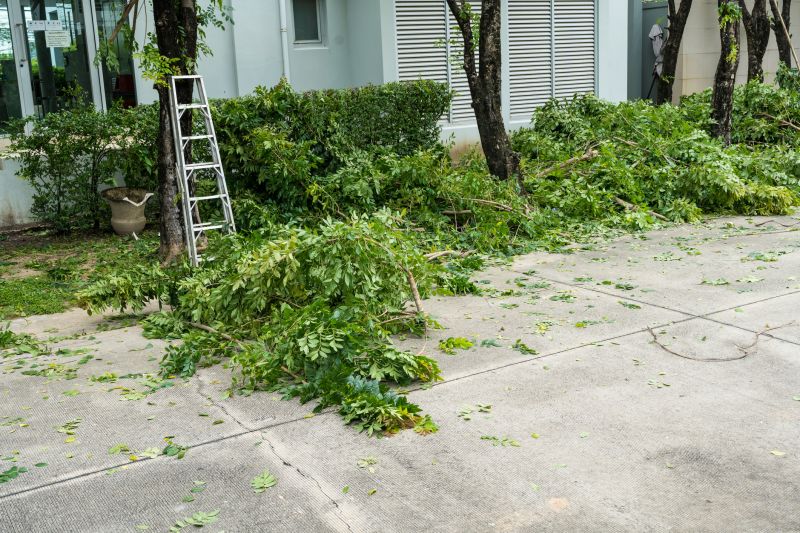
Property Cleanup - clears away debris and wood after dead tree removal to restore landscape tidiness.
Dead Tree Removal Questions
What types of trees can be removed? Most common tree species on residential properties can be safely removed, including damaged or dead trees and those posing a risk to structures.
Is dead tree removal necessary? Removing dead trees helps prevent potential hazards such as falling branches or complete toppling, which can damage property or pose safety risks.
What should property owners consider before removal? It’s important to assess the tree’s location, size, and condition to determine the best removal approach and avoid damage to surrounding landscape.
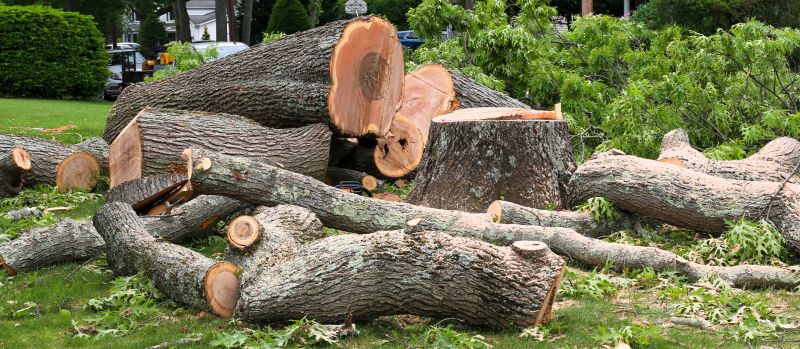
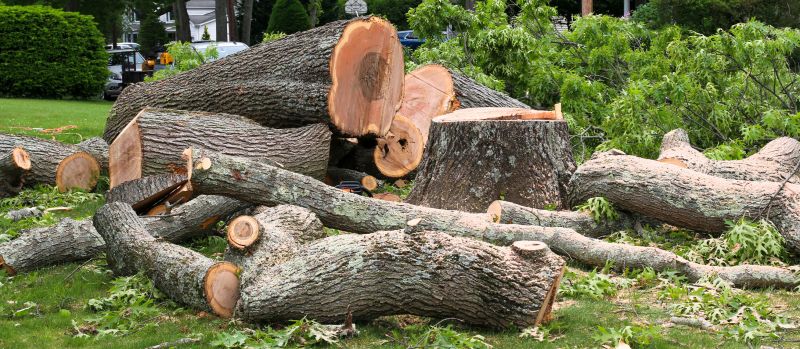
How is a dead tree removal performed? The process typically involves cutting the tree into manageable sections and safely removing debris to restore safety and appearance of the property.
Request Dead Tree Removal in Allentown, PA
Use the quote form on this page to share the basics of your project and request more information for the type of work you need.